
Finding the best WiFi for RV travel can be a challenge. Whether you need to work remotely, stream your favorite shows, or stay in touch with loved ones, a reliable internet connection is essential for a comfortable and enjoyable RV experience.
This guide explores the various internet options available for RVers, highlighting their pros and cons, key features to consider, and our top recommendations for staying connected on the road.
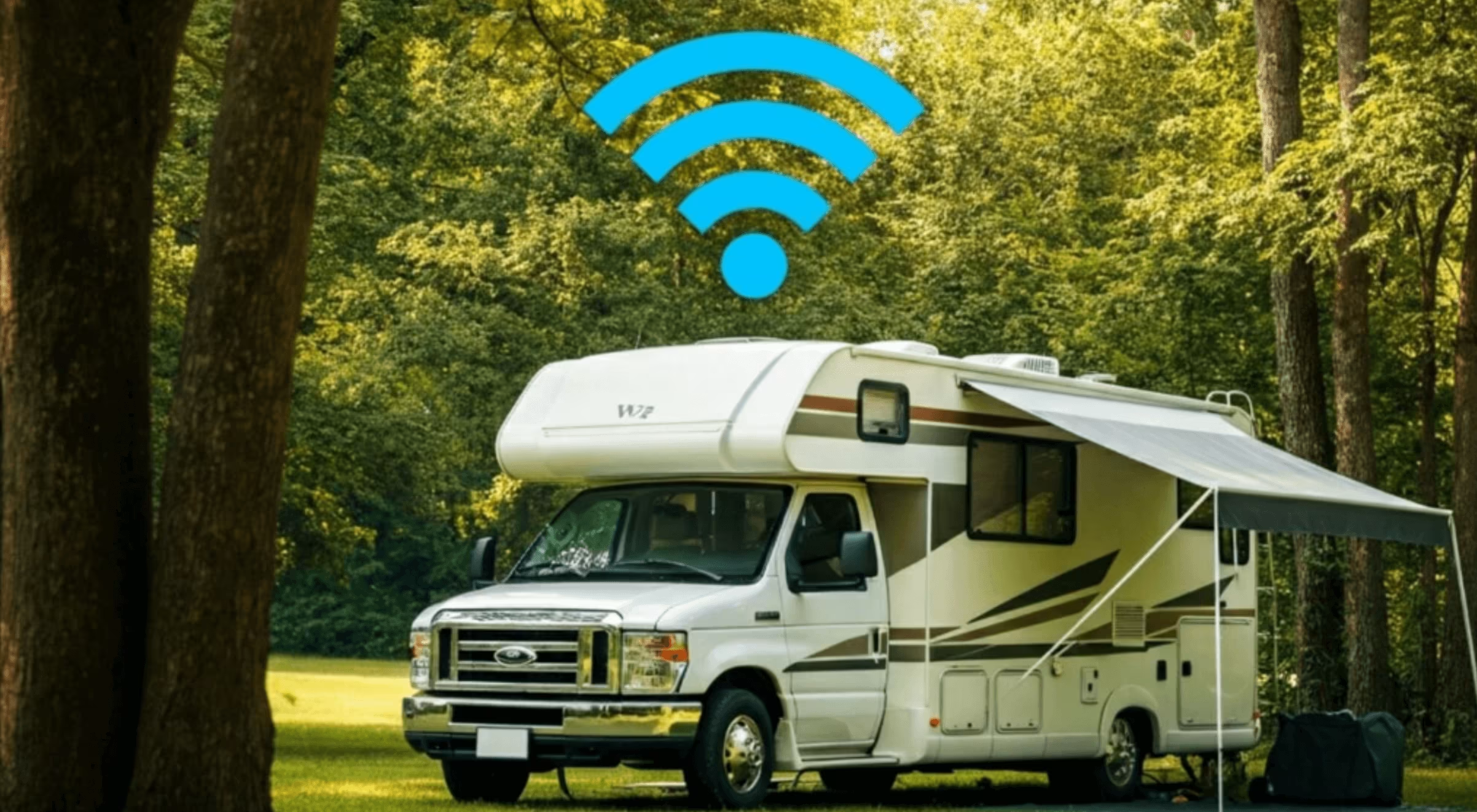
Having reliable internet access in your RV is no longer a luxury; it's a necessity for many travelers.
With the rise of remote work, many people are now choosing to work from their RVs, enjoying the freedom and flexibility of the RV lifestyle. Whether you're a full-time remote worker or need to check in with the office occasionally, a reliable internet connection is essential for staying productive on the road.
Video conferencing, file sharing, and accessing work applications all require a stable and fast internet connection.
Internet for RVs is also crucial for entertainment. Streaming movies and TV shows, listening to music, and browsing the web are all popular ways to unwind after a day of driving or exploring.
A reliable internet connection ensures you can enjoy your favorite entertainment without buffering or interruptions.
Staying connected with family and friends is important, especially when you're traveling. Internet access allows you to make video calls, share photos on social media, and stay in touch via email.
A reliable connection can help you feel closer to loved ones even when you're miles away.
Many RV parks and campgrounds offer free Wi-Fi as an amenity. This can be a convenient option for basic internet needs, such as checking email or browsing the web. However, campground Wi-Fi often has limitations:
Cellular data plans offer another internet option for RVers. You can use a mobile hotspot device or a smartphone with a hotspot feature to connect your devices to the internet. Cellular internet offers several advantages:
However, there are also some considerations:
Starlink is a relatively new satellite internet service that offers high-speed internet access to RVers, even in remote locations. It uses a network of low-Earth orbit satellites to provide coverage across the globe. Starlink offers several advantages:
However, there are some drawbacks:
The Netgear Nighthawk M1 is a popular choice for its fast speeds, reliable connection, and long battery life. It supports multiple devices and offers excellent coverage on various cellular networks.
The Inseego MiFi M2000 is another excellent mobile hotspot device. It offers fast speeds, good battery life, and supports 5G networks for even faster connectivity.
Verizon offers unlimited data plans with excellent coverage across the United States. This is a viable option for RVers who need a lot of data and reliable connectivity.
T-Mobile's Magenta MAX plan also offers unlimited data and excellent coverage, with a focus on providing fast speeds and prioritizing mobile data usage.
When choosing an internet solution, consider the coverage in the areas you plan to travel. Check coverage maps for different cellular carriers and satellite internet providers. Some providers offer tools that allow you to check coverage for specific addresses or routes.
Consider the data limits of the internet options you're considering. If you plan to stream videos, work remotely, or use a lot of data, look for plans with higher data caps or unlimited data options.
Internet speed is crucial for a smooth online experience. Consider the speeds offered by different internet options and choose one that meets your needs for streaming, video conferencing, and other online activities.
Internet costs can vary widely depending on the option you choose. Consider the upfront costs of equipment, as well as the monthly service fees. Look for plans that offer a good balance of cost and features.
A signal booster can enhance your cellular signal, providing better internet speeds and a more reliable connection. This can be especially helpful in areas with weak cellular coverage.
Place your mobile hotspot or router in a central location in your RV to ensure even coverage. Avoid placing it near metal objects or electronic devices that could interfere with the signal.
Keep track of your data usage to avoid exceeding your data limits and incurring overage charges. Many mobile hotspots and cellular plans offer tools to help you monitor your usage.
Staying connected on the road is essential for work, entertainment, and staying in touch with loved ones. By considering the factors outlined in this guide, you can choose the best WiFi solution for your RV and enjoy a reliable internet connection wherever your travels take you.
Once you've chosen the best WiFi option for your RV, the next step is finding the perfect spot to park and enjoy your journey. HookHub helps you locate ideal RV parking spaces, ensuring a stress-free and enjoyable experience wherever your travels take you.
Pair your new WiFi setup with HookHub's seamless parking solutions for the ultimate RV adventure!